How to Build a Digital Marketing Strategy That Converts
In today's competitive digital world, simply having an online presence is not enough. Businesses need a strong digital marketing strategy that attracts potential customers, builds trust, and converts visitors into paying clients.
In 2026, customers interact with brands through search engines, social media, websites, and digital advertisements before making purchasing decisions. Without a clear strategy, businesses risk spending time and money on marketing activities that deliver little value.
At Coding Rig, we believe successful digital marketing is not just about increasing traffic. It's about turning that traffic into measurable business opportunities.
Let's explore how to build a digital marketing strategy that delivers meaningful results.
What Is a Digital Marketing Strategy?
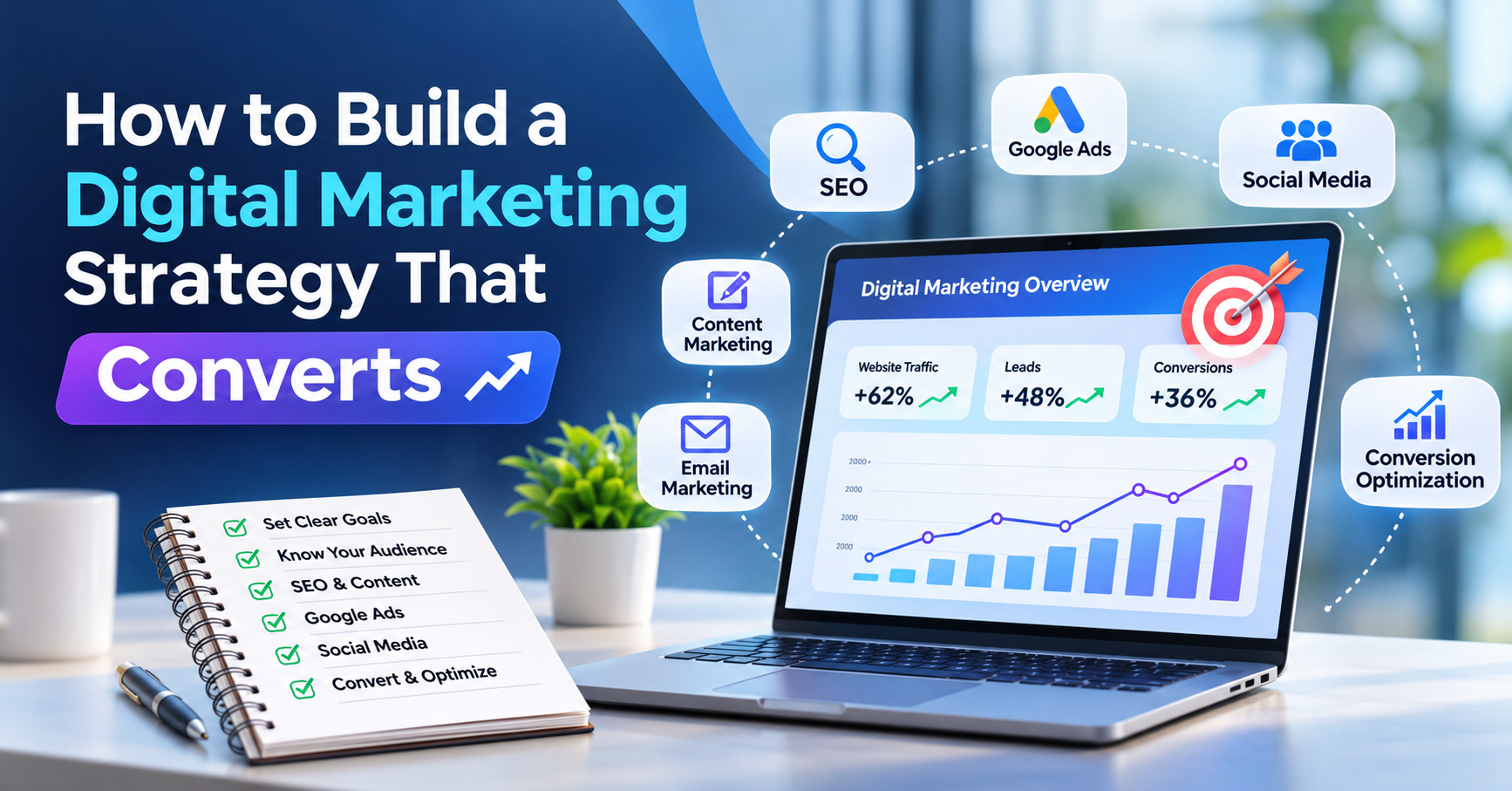
A digital marketing strategy is a structured plan that helps businesses achieve their marketing goals using online channels such as SEO, Google Ads, social media, email marketing, and content marketing.
An effective strategy connects business objectives with customer needs, ensuring every marketing activity contributes to a specific outcome.
Whether your goal is to generate leads, increase website traffic, or improve sales, a well-planned strategy provides direction and helps measure performance.
8 Steps to Build a Digital Marketing Strategy That Converts
1. Define Clear Marketing Goals
Before launching any campaign, identify what you want to achieve.
Your goals should be specific, measurable, and realistic.
For example:
-
Increase qualified website leads by 20% in three months.
-
Improve landing page conversion rates.
-
Generate more inquiries through Google Ads.
-
Increase organic traffic from relevant search keywords.
Clear objectives help businesses allocate resources effectively and evaluate campaign success.
2. Understand Your Target Audience
A successful digital marketing campaign starts with understanding your ideal customers.
Research their demographics, interests, challenges, buying behavior, and online search habits.
Create buyer personas based on real customer information rather than assumptions.
For example, a software development company may target business owners looking for custom CRM solutions, website development, or business automation.
When you understand your audience, you can create content and advertisements that address their specific needs.
3. Build a Strong SEO Foundation
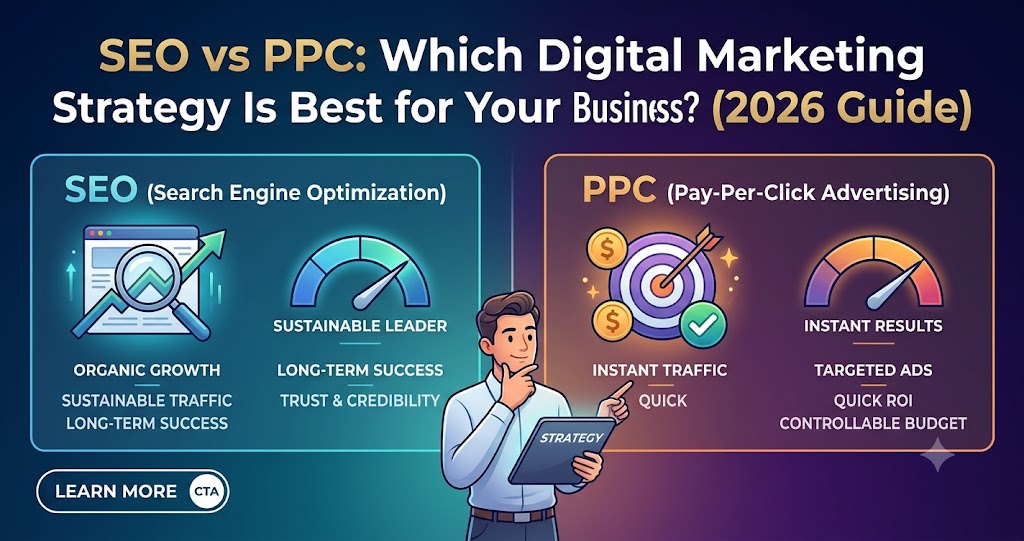
Search Engine Optimization (SEO) helps your website become more visible in relevant organic search results.
A strong SEO strategy includes:
-
Keyword research based on search intent
-
Optimized page titles and meta descriptions
-
High-quality, helpful website content
-
Technical SEO and website speed optimization
-
Relevant internal links and trustworthy backlinks
For local businesses, optimizing Google Business Profile and location-specific service pages can also help attract nearby customers.
SEO takes time, but consistent improvements can support sustainable organic visibility.
4. Use Google Ads for Targeted Lead Generation
Google Ads allows businesses to reach potential customers who are actively searching for their products or services.
For example, someone searching for "website development company in Mohali" may already be considering hiring a development agency.
To improve Google Ads performance:
-
Target relevant, high-intent keywords.
-
Use compelling headlines and clear offers.
-
Add negative keywords to reduce irrelevant clicks.
-
Direct visitors to dedicated landing pages.
-
Track qualified leads and conversions.
Regular campaign optimization helps identify which keywords and advertisements generate valuable business inquiries.
5. Create Engaging Social Media Content
Social media platforms such as Instagram, Facebook, LinkedIn, and YouTube help businesses build brand awareness and connect with potential customers.
However, posting regularly without a clear purpose may not produce meaningful results.
Focus on content that educates, engages, and builds trust.
Effective content ideas include customer success stories, educational reels, product demonstrations, and behind-the-scenes videos.
Every post should support a business objective, that's building awareness, encouraging engagement, or generating inquiries.
6. Design Landing Pages That Convert
Driving traffic to your website is only half the process. Your landing page must encourage visitors to take action.
A high-converting landing page should include:
-
A clear, benefit-focused headline
-
A simple explanation of your services
-
Relevant testimonials or portfolio examples
-
A visible call-to-action button
-
A short and easy-to-complete contact form
For example, instead of a generic "Contact Us" button, use a specific CTA such as "Get Your Free Project Consultation."
Test different headlines, layouts, and CTAs to understand what works best for your audience.
7. Use Email Marketing and Retargeting
Not every visitor is ready to purchase during their first interaction with your business.
Email marketing and retargeting campaigns can help reconnect with interested prospects.
Businesses can share useful resources, service updates, relevant offers, and personalized follow-up messages.
Segmenting audiences based on interests and previous interactions can make communication more relevant.
Always respect user consent, privacy preferences, and applicable marketing regulations.
8. Track Performance and Optimize Your Strategy
A digital marketing strategy should evolve based on actual performance data.
Tools such as Google Analytics 4 and Google Search Console help businesses understand website traffic, search visibility, and user behavior.
Important metrics include:
-
Conversion Rate: Percentage of visitors completing a desired action
-
Cost Per Lead (CPL): Advertising cost divided by leads generated
-
Click-Through Rate (CTR): Percentage of impressions that result in clicks
-
Return on Ad Spend (ROAS): Revenue attributed to ads divided by advertising spend
-
Qualified Leads: Inquiries that match your target customer profile
Review these metrics regularly to identify opportunities for improvement.
Why Choose Coding Rig for Digital Marketing?
Choosing the right digital marketing partner can help businesses build a stronger online presence and make better marketing decisions.
Coding Rig, a software development and digital marketing company in Mohali, Punjab, offers solutions designed to support business growth.
Our services include:
-
Search Engine Optimization: Improving website visibility and organic search performance
-
Google Ads Management: Creating targeted advertising campaigns
-
Social Media Marketing: Building engagement and brand awareness
-
Website Development: Creating responsive, user-friendly business websites
By combining marketing strategies with website development expertise, Coding Rig helps businesses create connected digital experiences.
Final Thoughts
A successful digital marketing strategy is not about being active on every platform. It's about choosing the right channels, understanding your audience, and consistently improving your results.
Ready to turn website visitors into valuable business leads?
Connect with Coding Rig and start building a digital marketing strategy focused on your business goals.
Website: https://codingrig.com/
Contact: +91 7986327291